TV-D1 Signature Analysis
Defeating modern digital sensors requires more than just color matching. It requires Spatial Aliasing—the disruption of a sensor's ability to define edges and depth.
INPUT_SOURCE: EUREKA_MT_RAW.RAW
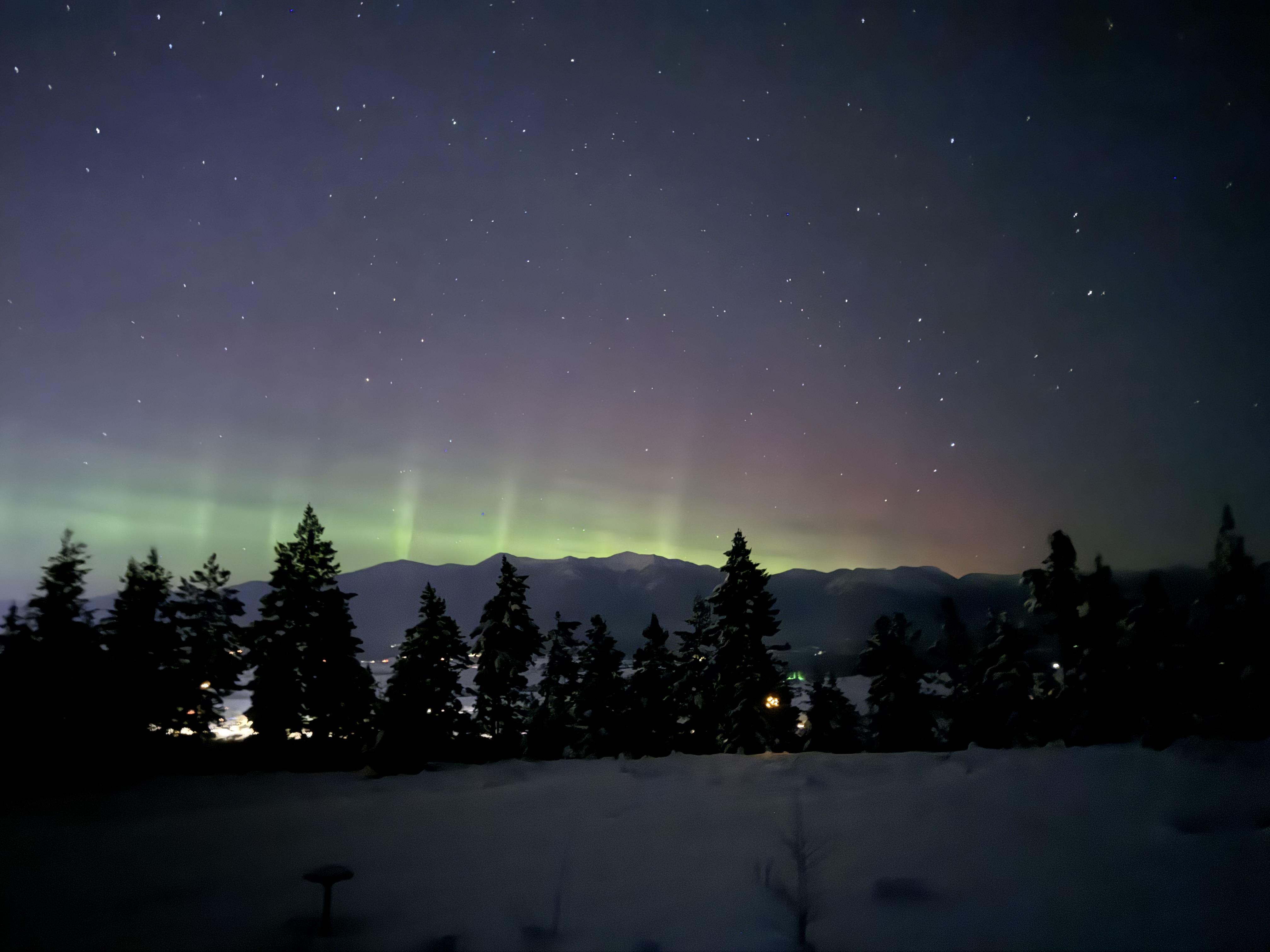
LAT: 48.88° N
LON: 115.05° W
SPEC_MATCH: 0.00%
LON: 115.05° W
SPEC_MATCH: 0.00%
OUTPUT_LOGIC: TV-D1_ALGO_v1.4
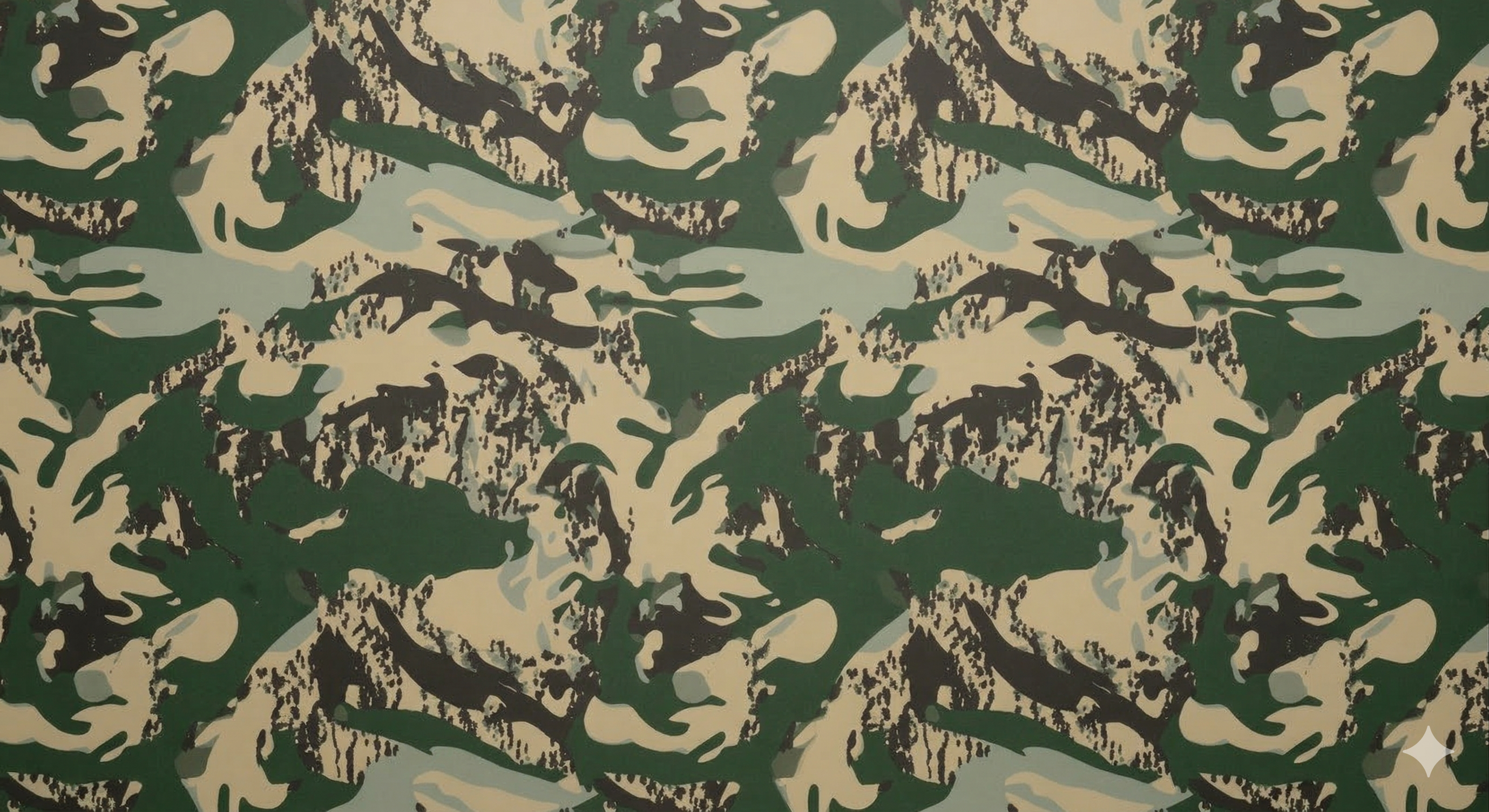
DITHER_RATE: 44.2Hz
GEOM_DEFEAT: ACTIVE
SPEC_MATCH: 98.4%
GEOM_DEFEAT: ACTIVE
SPEC_MATCH: 98.4%
Spatial Frequency
By utilizing high-contrast "micro-patterns" nested within larger "macro-blobs," TV-D1 creates visual noise that overwhelms digital autofocus sensors and human foveal vision simultaneously.
Spectral Dithering
Light in the Tobacco Valley transition zone is absorbed and reflected at specific frequencies. Our dithering algorithm simulates the way conifer shadows bleed into limestone rock faces.
The Logic
// Initialize TV-D1 Adaptive Geometry
function generatePattern(terrainData) {
let blobs = terrainData.extractMeanColors();
return blobs.map(c => {
return dithering.applyNoise(c, 0.48);
// Force sensor aliasing
});
}
function generatePattern(terrainData) {
let blobs = terrainData.extractMeanColors();
return blobs.map(c => {
return dithering.applyNoise(c, 0.48);
// Force sensor aliasing
});
}