An emerging supplier in Eureka, Montana. Bring a bounded requirement for custom soft goods, prototype documentation, field evaluation, or small-project kitting.
Use this page to decide whether a requirement belongs in a conversation now. The full registration, roadmap, process, and reference file remains available below.
Available nowCustom soft goods and prototype records
Project fit, materials, quantity, timing, and evidence requirements are screened before quoting.
Public statusActive SAM registration reported
KTT reports an active System for Award Management registration as of August 25, 2026. It is not an award, certification, or endorsement.
Next actionSend the bounded requirement
Include the problem, quantity, needed date, operating environment, and known constraints.
What KTT can discuss now.
Current areas for project review. Acceptance depends on requirements, materials, schedule, testing needs, and KTT's current production capacity. A conversation is not a quote or a promise to perform.
Available now
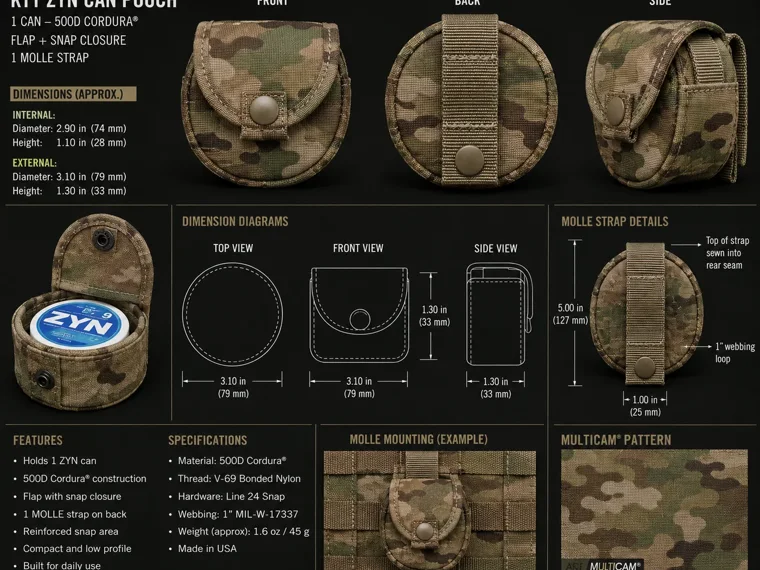
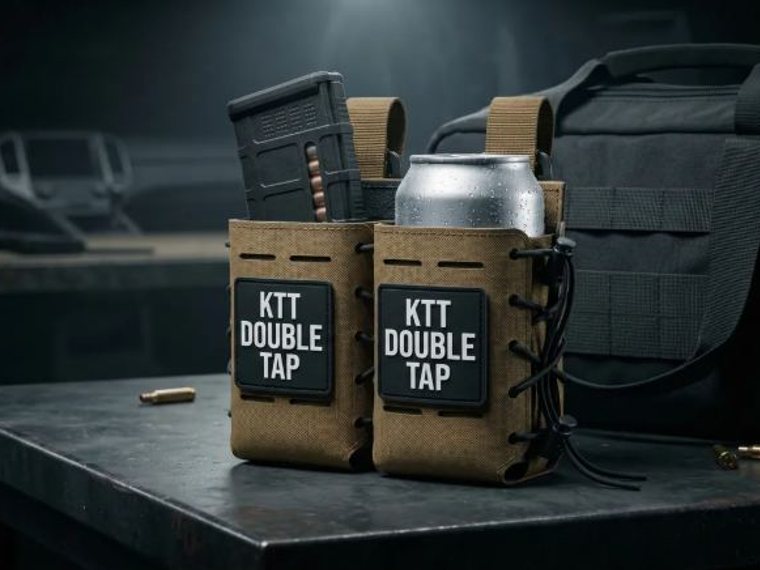
Custom soft-goods requirements
Translate a specific carry problem into a documented pouch or organizer brief, then evaluate fit, access, retention, attachment, and material constraints.
Made-to-order pouch intake
Dimensions and carried-item requirements
Prototype scope and revision planning
Available now
Prototype documentation
Create a practical build record before fabrication: intended use, measurements, interfaces, bill-of-material assumptions, open questions, and revision notes.
Requirements and build briefs
Concept packets and review checkpoints
Observed limitations recorded plainly
Project fit required
Documented field evaluation
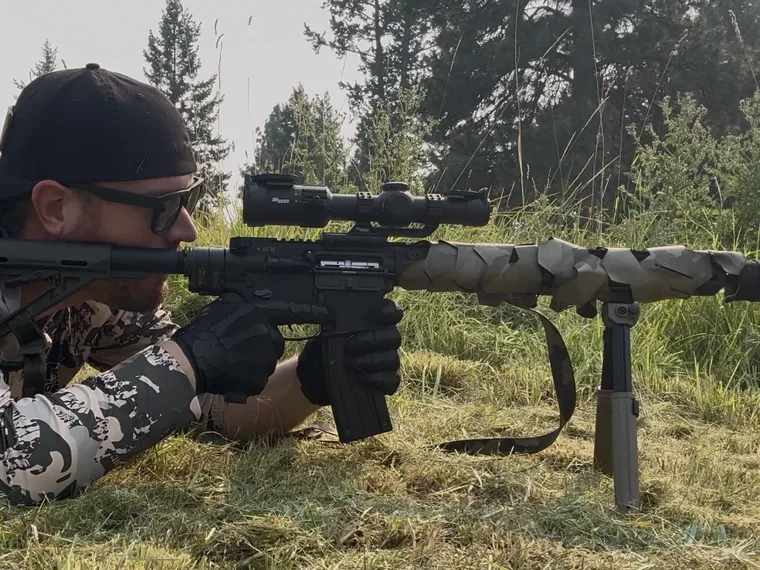
Plan and record bounded product evaluations in Northwest Montana conditions when the item, test question, and available environment are a legitimate fit.
Test question and condition definition
Photographic or video evidence
Observed result, limitations, and next action
Limited capacity
Sourcing and small-project kitting
Evaluate project-based sourcing or kitting where KTT can verify the components, supplier relationship, quantity, and compliance requirements.
No implied dealer authorization
No substitution without documented approval
Origin and specification tracking when required
A requirement becomes a documented build.
KTT begins with a bounded requirement, records the interfaces and materials, builds only after scope is understood, and attaches field evidence or stated limitations to the result.
04EvidenceObservation, limitations, next useful test.
Open the full institutional fileCapability roadmap, request process, registration context, and procurement references.
Capability roadmap.
Current work is available for discussion now. Developing and future lanes are shown for transparency; they are not offers, quotes, or promises of availability.
Current
Soft goods and prototype records
Custom pouch requirements, concept documentation, bounded field evaluation, and project-fit sourcing are the current base.
Developing
Technical services
A developing lane for requirements analysis, technical writing, prototype planning, and lightweight web or data-interface work. KTT is not currently offering general consulting, managed information technology, compliance certification, or penetration testing.
Future capability · not for sale
Technology prototyping
Planned exploration includes small drones, sensor packages, field electronics, rugged enclosures, and simple remote or off-grid data interfaces. Work would begin as bounded proof-of-concept projects, not certified aircraft design or operational drone services.
No flight-critical, weaponized, or regulated payload work
No surveillance-for-hire or autonomous targeting
No orders accepted until tools, testing, insurance, and delivery controls are ready
Planned, not for sale
3D printing
A planned 3D-printing lane would support fit-check prototypes, sewing fixtures, organizers, and other non-load-bearing accessories after the equipment, ventilation, materials, measurement tools, and quality controls are in place.
No firearm or regulated weapon components
No ballistic, protective, life-safety, or load-bearing claims
No orders accepted until the capability is funded and qualified
How KTT handles a capability request.
Every inquiry receives a direct fit decision: available now, requires development, or outside KTT's scope.
01Requirement receivedSend the problem, quantity, needed date, operating environment, and known constraints.
02Fit screenedKTT identifies whether the work is available now, requires development, or falls outside scope.
03Scope documentedInterfaces, materials, assumptions, exclusions, and acceptance evidence are put in writing.
04Quote and schedulePricing and timing follow only after requirements and supply constraints are understood.
05Build, evaluate, deliverApproved work includes a revision record and the evidence or limitations agreed for the project.
Public registration and procurement references.
These links support independent verification and opportunity-specific review. KTT provides sensitive identifiers only in direct capability correspondence.
Federal
SAM.gov and Small Business Search
KTT reports an active SAM.gov entity registration as of August 25, 2026. The Small Business Search is the public discovery route for contracting officials and prime contractors. Registration is eligibility to pursue work, not an endorsement or award.
Montana APEX is a public procurement-assistance resource for eligible Montana businesses. Its support is separate from any endorsement, contract award, or certification of KTT.
Defense Logistics Agency Clothing and Textiles guidance is a public reference for textile suppliers. Domestic-source, solicitation, quality, and documentation requirements are reviewed opportunity by opportunity.
KTT will provide verified legal entity identifiers, relevant industry codes, points of contact, capacity, and project-specific representations in direct capability correspondence rather than publishing sensitive identifiers broadly.
Send the requirement, quantity, needed date, and constraints.
KTT will respond with one of three answers: available now, possible with development, or outside scope. That answer is more useful than a vague “we can do everything.”